Learn · Understand · Apply

Professional Hair Colouring Theory

Levels, Reflections & Formulation

A professional guide to hair color science and shade selection — levels, reflections, formulation, white-hair coverage, and diagnosis.

By Mary Mikhael · Volume 1 · Digital PDF

$34.99

Instant download after checkout
Buy Vol. 1
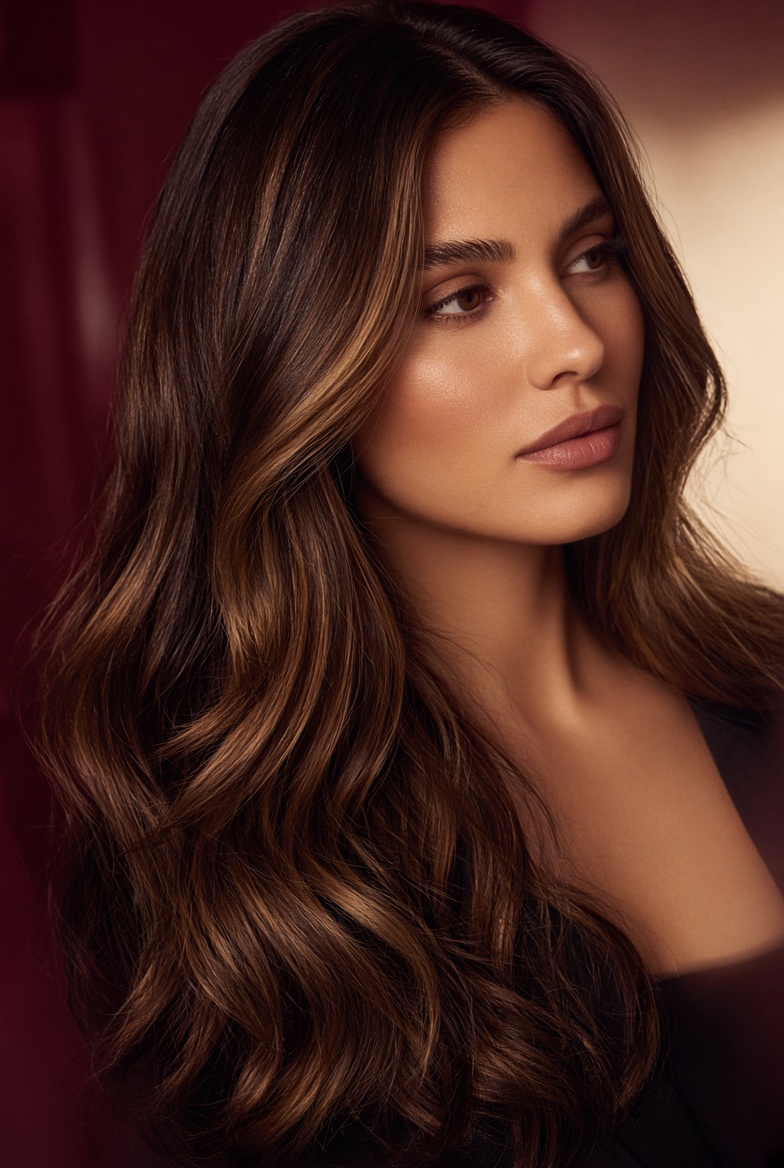
Model with multi-tonal brunette hair and caramel highlights
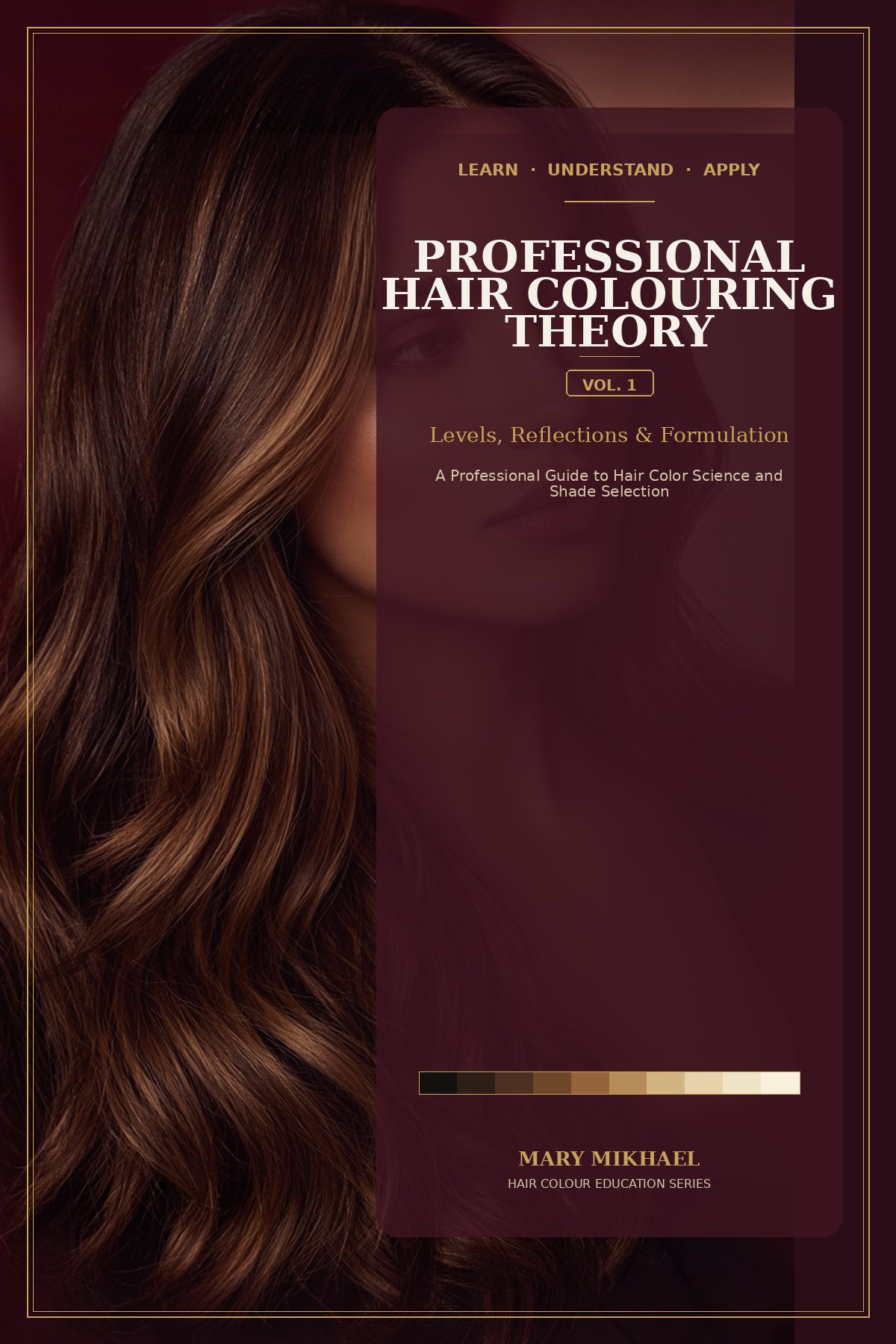
Volume 1 cover

Digital edition

Vol. 1 · available now

20 lessons · science to the chair

Levels 1–10

A shared depth language

Reflections

From ash to red

White hair

Coverage by percentage

Diagnosis

Roots, history, future

Inside the guide

Colour science you can use at the chair

From pigment and level to formula and diagnosis — built for colourists, assistants, and salon leads.
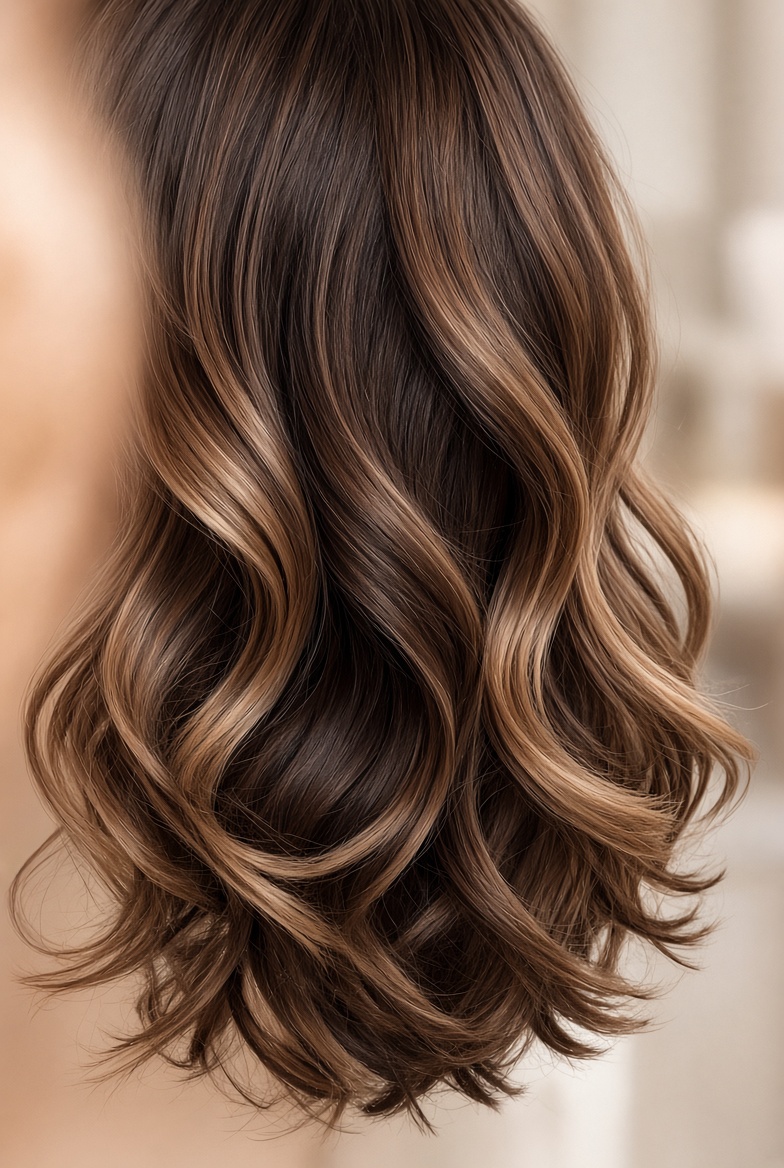
Glossy multi-tonal brunette waves with caramel balayage
Depth & dimensionSee level before tone
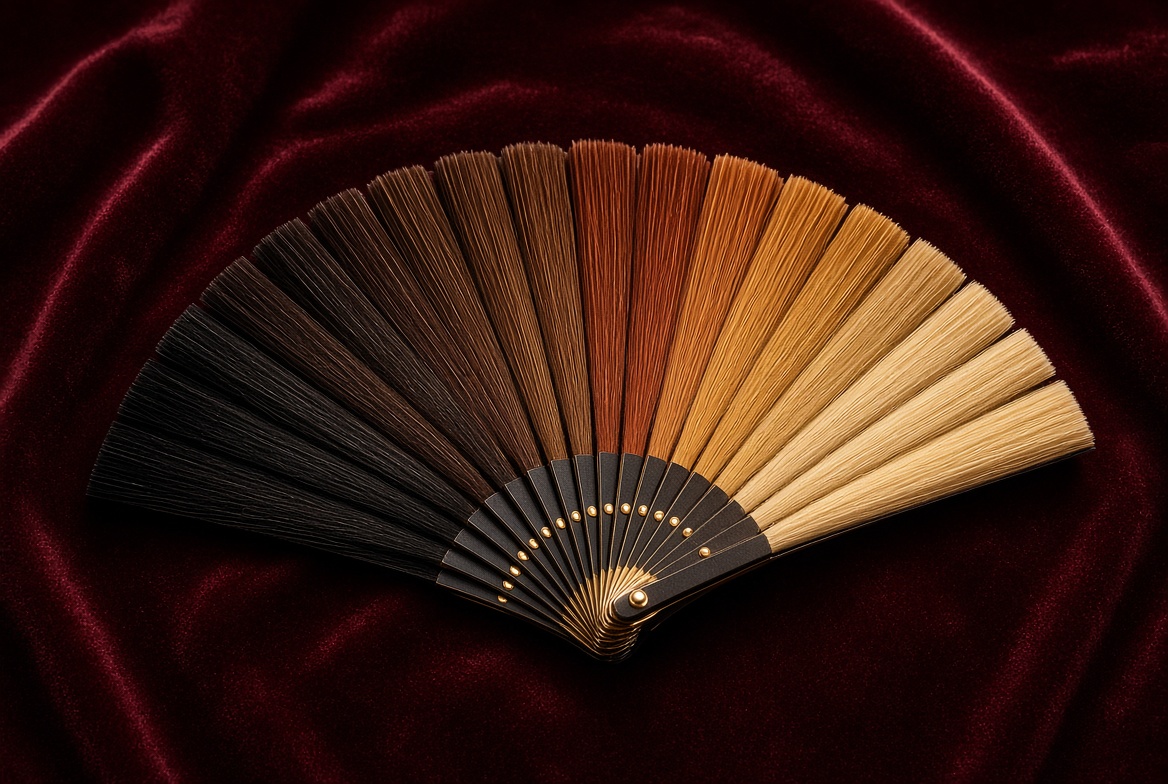
Professional hair colour swatch fan on burgundy velvet
Shade selectionFrom black to pale blonde
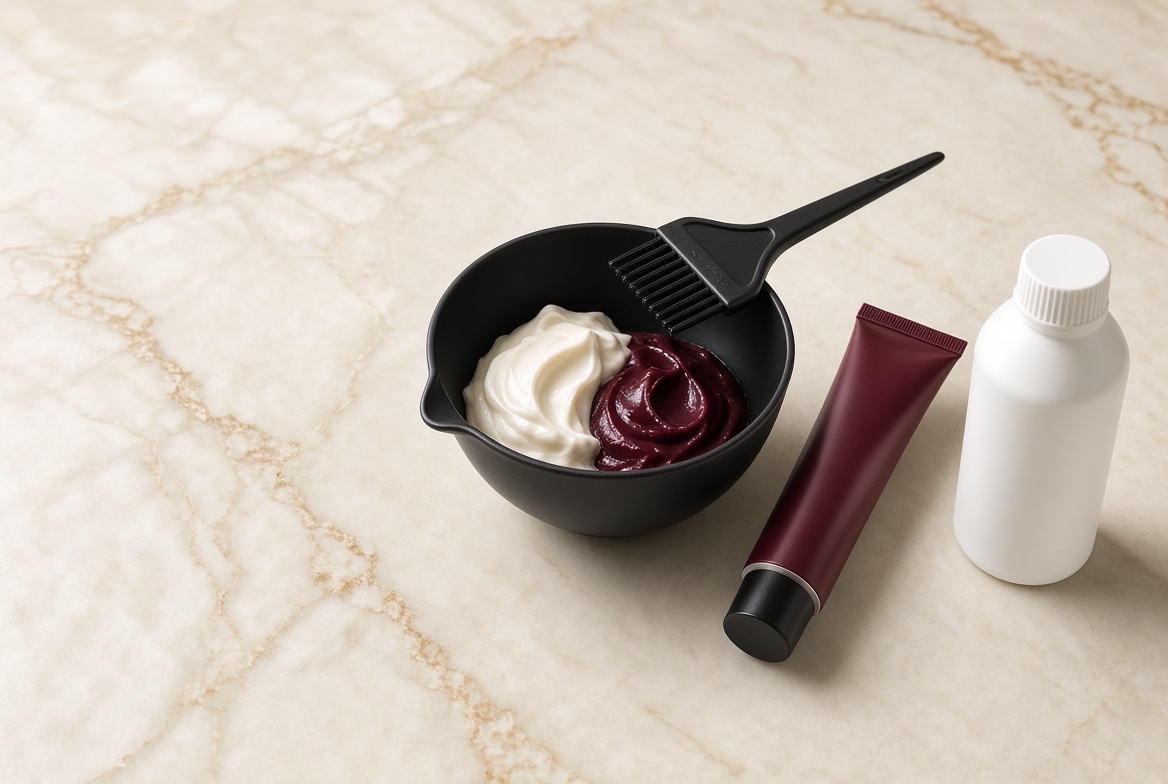
Mixing bowl, colour cream, brush and oxidant on marble
FormulationCream, oxidant, ratio

Colour levels

The scale every formula starts from

Depth from black to very light pale blonde. Volume 1 trains you to read level before reflection — so shade codes stop being a guess.
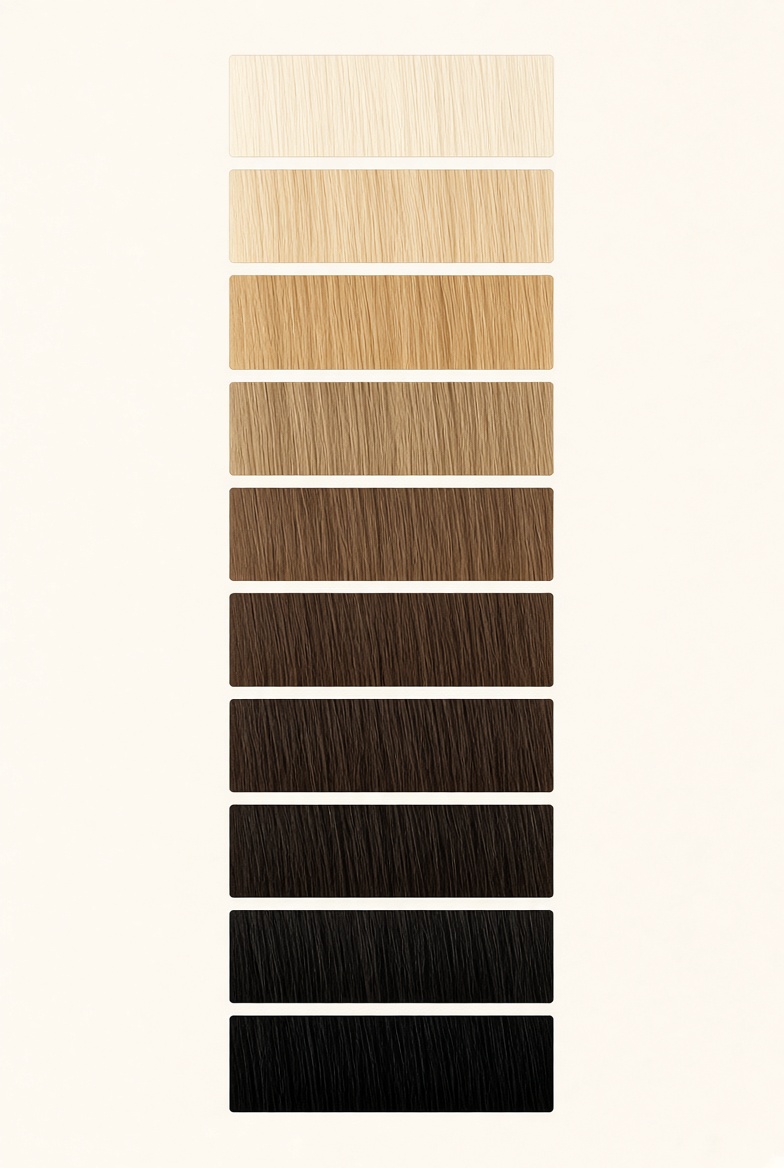
Hair colour level scale from light blonde to black
Premium burgundy volume edition
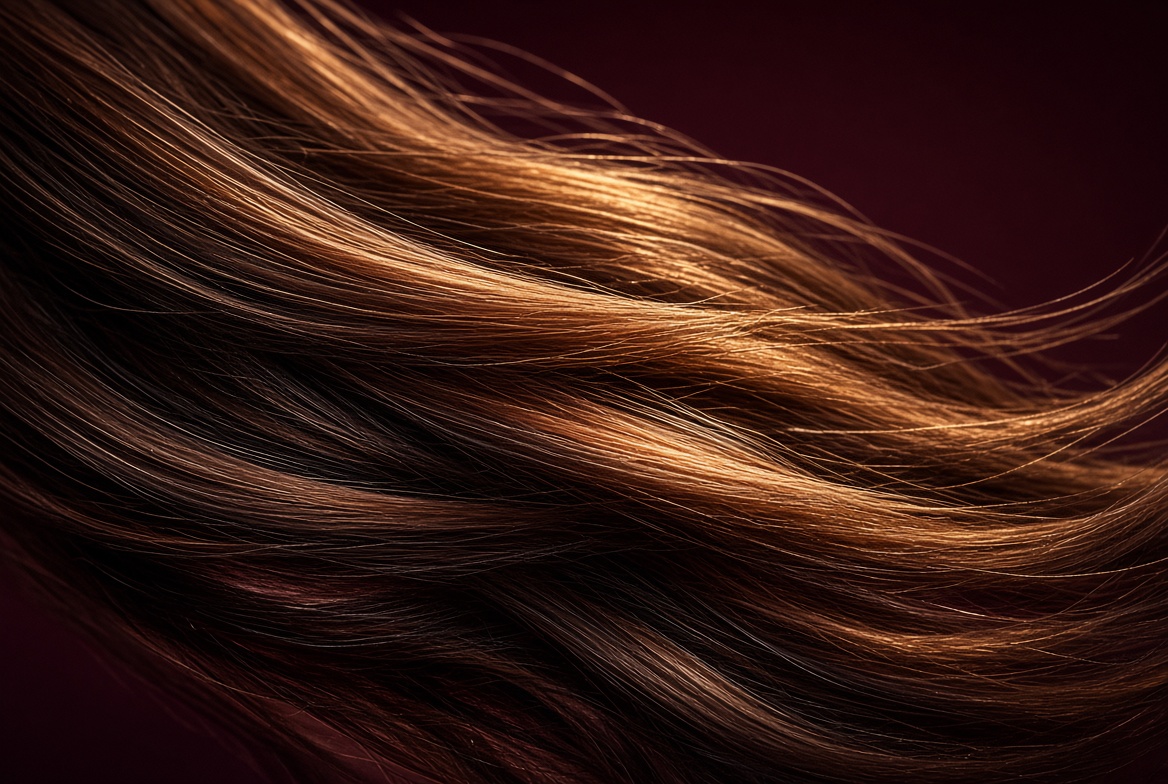
Macro detail of multi-tonal hair strands in warm light

Eumelanin, pheomelanin, and lightening backgrounds — the science behind every lift and tone

Formulation

What is inside a permanent hair dye

Oxidative colour is a coordinated system — not simply a tube of pigment.

Professional hair colour mixing tools
  • ✓Color cream + oxidizing cream — mix only in the manufacturer’s ratio
  • ✓Alkaline agents, precursors, antioxidants, buffers, conditioners
  • ✓Oxidant strength: 20 vol / 6%, 30 vol / 9%, 40 vol / 12%
  • ✓Processing time and reaction control at the chair
Get the full guide · $34.99

Colorimetry

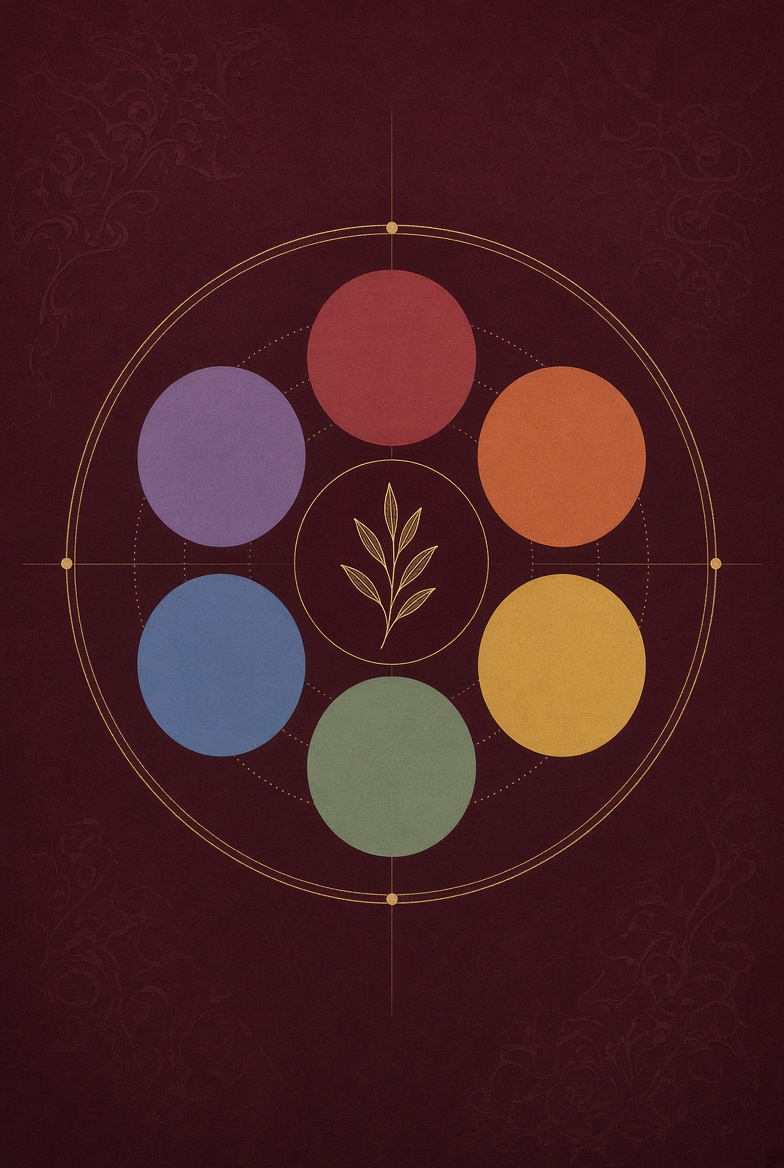
Opposite colours do the quiet work

Elegant primary and secondary colour wheel on wine background
  • ✓Blue neutralises orange.
  • ✓Violet / purple neutralises yellow.
  • ✓Green neutralises red.
  • ✓Depth sits before the decimal. Reflections sit after it.

Understanding colour relationships is the key to controlling unwanted tones and creating balanced hair colour.

Curriculum

Twenty lessons from pigment to diagnosis

01Primary colours and the hair shaft
02Eumelanin and pheomelanin
03The colour level scale, 1 to 10
04Lightening backgrounds
05Temporary, direct, and oxidative colour
06What is inside a permanent dye
07Fibre care during colouring
08Oxidant strength: volume and percent
09Ratio, timing, and the colour reaction
10Colorimetry and complementary colours
11Cool, warm, and chestnut reflections
12How to read a professional shade code
13The reflection star
14White hair and balanced coverage
15Formula selection by white-hair percentage
16Coverage principles and checklist
17Diagnosis: current, previous, future
18Reading the roots
19Colour anchoring
20Previous colour and regrowth zones

The series

Volume 1 is ready. Two more are on the way.

Hair Colouring Theory Volume 1 cover

Available now

Volume 1

Color science, shade codes, white-hair formulas, diagnosis, and colour anchoring.

$34.99

Buy & download
Vol. 2

Coming soon

Volume 2

Advanced colour techniques, formulation strategy, and practical application.

Not yet for sale

Vol. 3

Coming soon

Volume 3

Real-world case studies — corrections, history, and decisions at the chair.

Not yet for sale

Written for

People who mix colour for a living

  • ColouristsWho want predictable depth, reflection, and coverage — not a guess from the chart.
  • Assistants and studentsBuilding the vocabulary exams and senior stylists already assume.
  • Salon leadsA shared reference for consultation, white hair, and regrowth.
Volume 1 cover

Start here

Start with the foundation.

One payment. The Volume 1 PDF is yours after checkout. Volumes 2 and 3 will be offered separately when they publish.

Get Volume 1 for $34.99

Questions? Contact us · hair-expert@eclipso.eu